

The Truth About Teeth Whitening: What Works and What Doesn’t
Posted by Chitra Multispeciality Dental CentreCurious about teeth whitening? Learn which treatments actually work, which ones don’t, and how to safely achieve a brighter smile.
A sparkling white smile instantly boosts confidence — but with so many whitening products, hacks, and ads out there, it’s hard to know what truly works. From whitening toothpastes and strips to professional laser whitening, let’s uncover the facts about what’s effective and what’s just marketing hype.
What Actually Works
1️⃣ Professional Whitening at the Dental Clinic
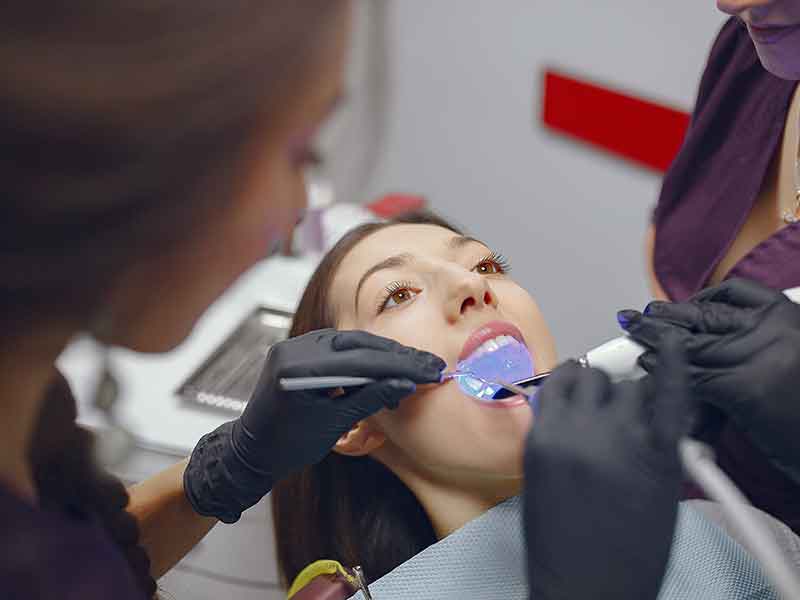
In-office whitening is the safest and most effective option. Dentists use clinical-grade whitening gels (often containing hydrogen or carbamide peroxide) that are precisely controlled for strength and exposure time.
Pros:
- • Immediate, noticeable results
- • Supervised by a dental professional
- • Long-lasting with proper care
2️⃣ Custom Take-Home Whitening Kits from Your Dentist
These kits include dentist-made trays and professional-grade whitening gel. They whiten teeth gradually over 1–2 weeks and are safer than store-bought versions.
Pros:
- • Convenient for at-home use
- • Even results
- • Gentler on enamel than over-the-counter products
3️⃣ Whitening Toothpastes (for Maintenance)
Whitening toothpastes don’t change your tooth color dramatically — they help remove surface stains from coffee, tea, or tobacco. Use them to maintain your whitened smile, not as a substitute for professional treatment.
Pros:
- • Good for daily maintenance
- • Prevent new stain build-up
What Doesn’t Work (or Isn’t Safe)
1️⃣ DIY “Natural” Whitening Hacks
Remedies like baking soda, lemon juice, charcoal, or hydrogen peroxide rinses can erode enamel and cause tooth sensitivity. They may make teeth appear cleaner temporarily but can do lasting damage over time.
2️⃣ Over-the-Counter Whitening Strips (Used Excessively)
While whitening strips can lighten teeth slightly, overuse may irritate gums and weaken enamel. Always follow directions — or better, get professional advice first.
3️⃣ Whitening Without a Dental Check-Up
Whitening products can’t fix discoloration from cavities, enamel defects, or internal stains. Always have a dentist check your teeth before whitening to avoid pain or uneven results.
Why Professional Guidance Matters
Not every stain responds to whitening. For example:
- • Yellow stains from food or age usually whiten well.
- • Gray or brown stains from medications or trauma often need veneers or bonding instead.
At Chitra Dental Centre, we evaluate the cause of discoloration before recommending the safest and most effective whitening approach.
Maintaining Your Whiter Smile
After whitening, protect your results by:
- • Avoiding coffee, tea, red wine, and tobacco for at least 48 hours
- • Using a straw for staining beverages
- • Brushing twice daily with a fluoride toothpaste
- • Scheduling touch-ups every 6–12 months
Written by:
Chitra Dental Specialists
Related Posts
Red Flags in Jaw Growth-When to See a Dentist Early
October 04, 2025Hi parents, is your child a picky eater? Does your child hold the food for long time in their mouth? Do they sleep with their mouth open? Then this message is for you...

Breastfeeding and Jaw Growth Nature’s First Dentist
September 27, 2025When we think of breastfeeding, the first thing that comes to mind is nutrition and bonding. But did you know it also plays a key role in shaping your baby’s jaw and smile?..