
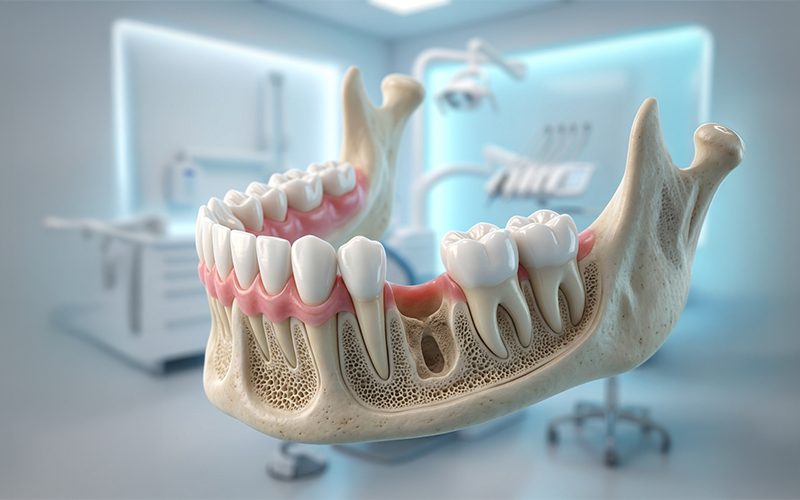
The Domino Effect of a Missing Tooth
Losing a tooth may not seem like a major concern, especially if it's not visible when you smile. Many people assume they can live comfortably with a missing tooth as long as they can still eat and speak. However, even a single missing tooth can set off a chain reaction of dental problems that affect your oral health, appearance, and confidence.
Why Every Tooth Matters
Each tooth has a specific purpose and works together with the surrounding teeth like pieces of a puzzle. Every tooth helps:
- Maintain proper alignment
- Support neighbouring teeth
- Distribute chewing forces evenly
- Preserve jawbone health
- Maintain facial structure
- Aid in speech and pronunciation
When one tooth is lost, this delicate balance is disrupted.
Why Does One Missing Tooth Matter?
Your teeth are designed to work together as a team. Each tooth supports the ones beside and opposite it. When one tooth is lost, this balance is disrupted, and the surrounding teeth begin to compensate.
1. Nearby Teeth Begin to Shift: Adjacent teeth drift into the empty space, affecting your bite and making cleaning more difficult.
2. The Opposing Tooth Grows Out of Position: Without contact from the missing tooth, the opposing tooth may over-erupt, leading to bite problems.
3. Bone Loss Begins: Without stimulation from the tooth root, the jawbone gradually shrinks, making future tooth replacement more challenging.
4. Difficulty Chewing Food: A missing tooth can make chewing uncomfortable and place extra stress on the remaining teeth.
5. Increased Risk of Gum Disease and Tooth Decay: Shifting teeth create areas where plaque can accumulate, increasing the risk of oral disease.
6. Changes in Your Bite: An uneven bite may lead to jaw pain, teeth grinding, and excessive tooth wear.
7. Changes in Facial Appearance: Long-term bone loss can reduce facial support, creating a sunken appearance.
8. Loss of Confidence: Missing teeth can affect your smile, speech, and self-confidence. Your smile is one of the first things people notice. Missing teeth can affect self-esteem, making some people reluctant to smile, laugh, or speak in social situations.
Restoring your smile can improve: Confidence, Social interactions, Professional appearance, and Overall quality of life.
Preventing the Domino Effect
The sooner a missing tooth is replaced, the easier it is to prevent additional complications. Depending on your individual needs, your dentist may recommend options such as:
- Dental implants – A long-lasting solution that replaces both the tooth and its root while helping preserve jawbone. They help preserve jawbone, restore chewing efficiency, and function similarly to natural teeth.
- Dental bridges – Bridges replace one or more missing teeth by anchoring an artificial tooth to neighboring teeth. They restore function and prevent teeth from drifting.
- Removable dentures – Modern removable partial dentures are an affordable option for replacing several missing teeth and improving chewing ability.
Don't Wait Until Problems Multiply
Many people postpone replacing a missing tooth because they aren't experiencing pain. Unfortunately, the domino effect often progresses silently. Teeth can shift, bone can shrink, and bite changes can develop gradually. Seeking dental care early can help preserve your oral health, simplify future treatment, and reduce long-term costs.
CONCLUSION
A missing tooth is more than a cosmetic concern—it can be the first step in a chain reaction that impacts your entire oral health. By replacing missing teeth promptly and attending regular dental check-ups, you can protect your smile, maintain proper function, and prevent the domino effect from taking hold. The sooner you address the gap, the greater your chances of preserving your oral health and preventing unnecessary complications.
Written by:
Chitra Dental Specialists
Related Posts
Red Flags in Jaw Growth-When to See a Dentist Early
October 04, 2025Hi parents, is your child a picky eater? Does your child hold the food for long time in their mouth? Do they sleep with their mouth open? Then this message is for you...

Breastfeeding and Jaw Growth Nature’s First Dentist
September 27, 2025When we think of breastfeeding, the first thing that comes to mind is nutrition and bonding. But did you know it also plays a key role in shaping your baby’s jaw and smile?..