
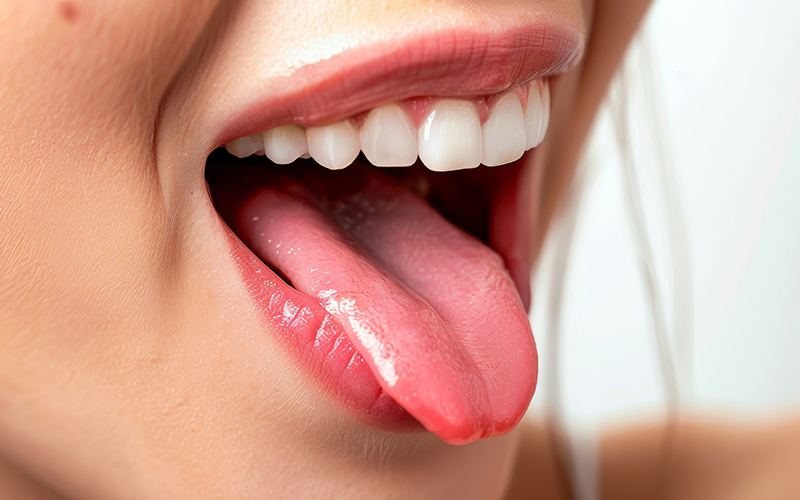
Saliva plays a vital role in maintaining optimal oral health, serving as a natural defense mechanism against decay and disease. Every time you eat or drink, saliva is hard at work, facilitating chewing, tasting, and swallowing, while shielding teeth and gums from harm.
Often referred to as the mouth's natural superhero, saliva safeguards against harmful bacteria, balances pH levels, and maintains a stable environment in the mouth. Its importance becomes apparent when it's lacking, leading to discomfort, dryness, and halitosis.
Here we will explore saliva's role in oral health, its protective mechanisms, and practical ways to maintain its flow, ensuring a healthy and balanced oral environment.
1. The Composition and Function of Saliva
Saliva is a complex fluid produced by the parotid, submandibular, and sublingual glands, along with smaller glands in the mouth. Comprised of approximately 99% water, saliva also contains a potent mix of enzymes, minerals, and antibodies that work synergistically to protect oral tissues.
The remaining 1% of saliva's composition includes:
- Enzymes like amylase, which initiate carbohydrate digestion.
- Mucins, which lubricate oral tissues.
- Bicarbonates, which neutralize acids and maintain pH balance.
- Calcium and phosphate ions, which facilitate enamel repair and strengthen teeth.
Saliva plays a vital role in maintaining oral health by:
- Cleansing the mouth of food debris and bacteria.
- Regulating the oral microbiome.
- Neutralizing acids and maintaining pH balance.
- Supporting tooth remineralization and enamel repair.
Its importance cannot be overstated, as saliva serves as a natural defense mechanism, protecting teeth and gums from decay and damage.
2. The Protective Role of Saliva in Preventing Tooth Decay
Saliva plays a crucial role in protecting teeth from cavities and decay. When food particles are consumed, oral bacteria produce acids that weaken enamel, potentially leading to cavities and gum disease. Saliva acts as a natural buffer, neutralizing these acids and removing harmful residues.
Its protective mechanisms include:
- Forming a thin, protective coating (acquired pellicle) on the tooth surface, shielding it from bacterial adhesion.
- Supporting remineralization, restoring lost minerals to enamel and strengthening teeth.
- Flushing away food debris and bacteria, reducing the risk of acid production and tooth decay.
Adequate saliva flow is essential for maintaining oral health. Reduced saliva levels increase the risk of tooth decay, a condition exacerbated by factors such as chronic dehydration, certain medications, and environmental factors.
According to WHO, untreated dental caries is a prevalent health issue, and saliva's role in preventing tooth decay is well documented. Maintaining optimal saliva flow is critical for preventing oral health issues and promoting overall well-being.
3. The Consequences of Reduced Saliva Flow
Xerostomia, or dry mouth, is a condition characterized by decreased saliva production, which can compromise oral health. Prolonged reduction in saliva flow can lead to:
- Increased bacterial growth, resulting in halitosis, gum irritation, and elevated risk of tooth decay.
Symptoms include:
- Sticky or dry mouth.
- Cracked lips.
- Dysphagia (difficulty swallowing).
- Glossitis (tongue inflammation).
- Altered taste perception.
Insufficient saliva allows acids to accumulate, accelerating enamel erosion and creating an environment conducive to cavities and infections. Untreated xerostomia can progress to severe oral health issues, including:
- Periodontal disease.
- Tooth loss.
Maintaining optimal saliva flow is essential for preventing these complications and preserving oral health.
4. Saliva Flow: Practical Tips for Optimal Oral Health
In India, several factors can contribute to reduced saliva flow, including:
- Frequent consumption of caffeinated beverages like chai or coffee.
- Spicy and acidic foods, common in Indian cuisine.
- Tobacco and paan/gutkha chewing, which can damage salivary glands.
- Dehydration, exacerbated by the tropical climate and busy lifestyles.
- Uncontrolled diabetes, which can affect salivary gland function.
To support saliva production and protect oral health:
- Stay hydrated by drinking water regularly, especially after meals or tea.
- Chew sugar-free gum with xylitol to stimulate saliva flow and reduce cavity-causing bacteria.
- Include crunchy fruits and vegetables like carrots, cucumbers, guavas, and apples in your diet.
- Use traditional Indian practices like fennel, clove, and cardamom in moderation.
- Avoid constant snacking and maintain a balanced diet to prevent acid buildup and bacterial growth.
By adopting these simple habits, you can help maintain optimal saliva flow and support overall oral health.
5. Boosting Saliva Flow: Oral Hygiene and Professional Care
Good oral hygiene complements saliva's natural functions. Brushing twice a day and flossing reduce plaque buildup, allowing saliva to clean more effectively. Use fluoride toothpaste to strengthen enamel and clean your tongue to remove bacteria that contribute to bad breath.
Managing Dry Mouth
If dry mouth persists, avoid alcohol-based mouthwashes and opt for non-alcohol-based mouthwashes.
Holistic Approaches
Managing health conditions like diabetes and thyroid disorders can improve saliva flow. A balanced diet rich in vitamins and minerals supports salivary gland function and overall oral health.
Saliva-Saving Tips
- Drink plenty of water, especially after meals or tea.
- Chew sugar-free gum with xylitol to stimulate saliva flow.
- Include crunchy fruits and vegetables in your diet.
- Limit caffeine and avoid constant snacking.
- Use traditional Indian practices like fennel, clove, and cardamom in moderation.
Conclusion
Saliva plays a vital role in maintaining optimal oral health and preventing caries. Its multifaceted functions, including acid neutralization, enamel remineralization, and antimicrobial activity, make it a crucial component of the oral cavity.
Key Benefits of Saliva:
- Provides a natural defense mechanism against tooth decay and gum disease.
- Facilitates the remineralization of tooth enamel, enhancing tooth resilience.
- Supports the maintenance of a healthy oral microbiome.
By recognizing the importance of saliva and adopting evidence-based oral hygiene practices, individuals can take proactive steps towards maintaining optimal oral health and preventing caries.
Written by:
Chitra Dental Specialists
Related Posts

Red Flags in Jaw Growth-When to See a Dentist Early
October 04, 2025Hi parents, is your child a picky eater? Does your child hold the food for long time in their mouth? Do they sleep with their mouth open? Then this message is for you...

Breastfeeding and Jaw Growth Nature’s First Dentist
September 27, 2025When we think of breastfeeding, the first thing that comes to mind is nutrition and bonding. But did you know it also plays a key role in shaping your baby’s jaw and smile?..