
Repairing Cracked Teeth - Can They Be Saved?
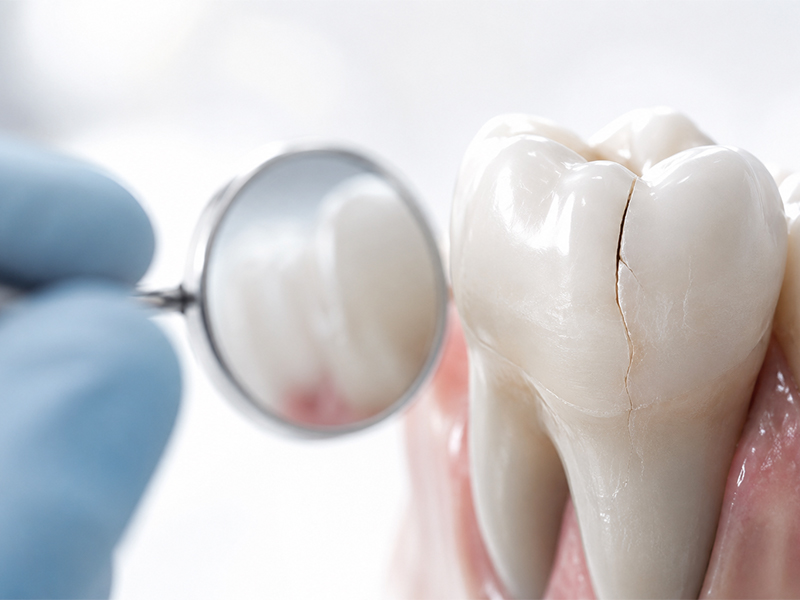
Posted by Chitra Multispeciality Dental CentreCracked teeth are a common dental problem and can occur due to biting hard foods, trauma, teeth grinding, large fillings, or age-related wear. Many patients worry that a cracked tooth always needs to be removed, but this is not true. In many cases, cracked teeth can be successfully saved if they are diagnosed and treated early.
The ability to save a cracked tooth depends mainly on the type, depth, and location of the crack. Small cracks that affect only the outer enamel layer may cause mild sensitivity but usually do not threaten the tooth’s survival. These can often be treated with simple procedures such as bonding or fillings, which seal the crack and prevent it from progressing further.
When a crack extends deeper into the tooth but has not reached the nerve, a dental crown is usually recommended. A crown covers the entire tooth and acts like a protective cap, holding the cracked parts together and preventing the crack from spreading. This helps restore normal chewing function and protects the tooth from future damage.
If the crack reaches the pulp tissue and causes pain or infection, root canal treatment may be necessary to save the tooth. During this procedure, the infected pulp is removed, the canals are cleaned and sealed, and a crown is placed afterward to strengthen and protect the remaining tooth structure.
However, not all cracked teeth can be saved. If the crack extends vertically into the root or splits the tooth into separate segments, the tooth may not be restorable, and extraction might be required to prevent further complications.

Early diagnosis plays a very important role in saving cracked teeth. Symptoms such as sharp pain while biting, sensitivity to hot or cold, or discomfort that comes and goes should not be ignored. Seeking dental care at the earliest stage greatly improves the chances of preserving the natural tooth.
In simple terms, many cracked teeth can be repaired and protected successfully. The sooner the crack is detected and treated, the better the chances of saving the tooth for the long term.
Written by:
Chitra Dental Specialists
Related Posts

Red Flags in Jaw Growth-When to See a Dentist Early
October 04, 2025Hi parents, is your child a picky eater? Does your child hold the food for long time in their mouth? Do they sleep with their mouth open? Then this message is for you...

Breastfeeding and Jaw Growth Nature’s First Dentist
September 27, 2025When we think of breastfeeding, the first thing that comes to mind is nutrition and bonding. But did you know it also plays a key role in shaping your baby’s jaw and smile?..