
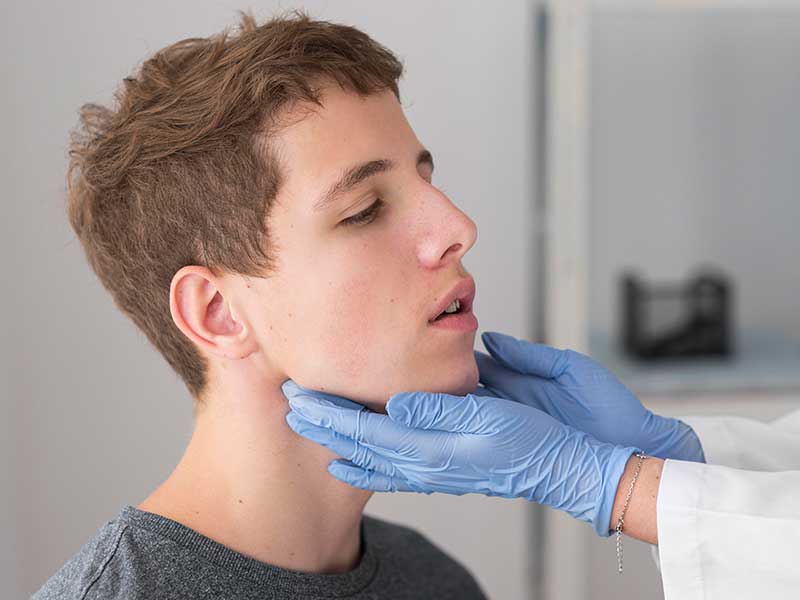
Red Flags in Jaw Growth-When to See a Dentist Early
Posted October 3, 2025Hi parents, is your child a picky eater? Does your child hold the food for long time in their mouth? Do they sleep with their mouth open? Then this message is for you.
As children grow, their jaws and teeth go through amazing changes. While some differences are normal, certain signs in jaw growth can signal that your child may need early dental care. Spotting these red flags early makes treatment easier and often prevents bigger problems later.
Signs to Watch For
Here are some common jaw growth red flags every parent should keep an eye on:
- Mouth breathing: If your child breathes mostly through the mouth instead of the nose, it could affect jaw growth and overall health.
- Snoring regularly: Snoring in children is not always “cute” — it may point to airway or jaw issues.
- Restless sleep posture- Frequently changing position indicates abnormal sleep pattern which may also be an indicator of airway and jaw issues.
- Nightmares- Frequent nightmares are our body’s way of showing that airway and jaws are not normal.
- Daytime sleepiness- Lack of sound sleep due to jaw issues causes daytime sleepiness which in turn can affect your child’s attention capacity and can be a hindrance in their academic performances.
- Teeth not meeting properly: If the bite looks open, cross, or uneven, it could be a sign the jaws are not aligning as they should.
- Lower jaw too far back or forward: A receding chin or an unusually forward jaw, slouched back open mouth posture at rest should be checked early.
- Chewing or speech difficulties: Trouble biting food, chewing properly, pouching food on one cheek or delayed speech can sometimes be linked to jaw development problems.

Why Early Check-ups Matter?
The younger the child, the easier it is to guide jaw growth. Pediatric dentists can use simple treatments like special appliances, exercises, or habit correction to help the jaws grow correctly. This often avoids the need for braces or jaw surgery in the teenage years.
What Parents Can Do?
- Observe your child’s breathing, chewing, and smile regularly.
- Encourage nose breathing and correct posture.
- Visit a pediatric dentist if you notice any of the above signs.
- Remember: the first dental visit should be by age 1, but check-ups can happen any time you’re concerned.
Jaw growth problems may look small in the early years, but they can affect your child’s health, smile, and confidence as they grow. With timely care, most issues can be corrected early and gently.
Chitra dental team lead by Dr. Mini Jose has specialized dentists who not only just treat the overlying symptoms but also analyze the deep seated root cause and with the efficient guidance of Dr. Mini Jose, they guide you to help your children to get a strong, functional and healthy smiles that they can flaunt for a lifetime.
Related Posts
Silver Fillings: Are They Safe? Everything You Need to Know
June 09, 2025 by Dr. Mini JoseAt Chitra MultiSpeciality Dental Clinic, one of the most frequently asked questions by our patients is: “Are silver fillings still safe?” With growing conversations around mercury, Alzheimer’s, and newer, tooth-colored alternatives, it’s natural to feel unsure about what’s sitting...

Using Steroid Inhalers? Protect Your Oral Health with These Dentist-Approved Tips
May 29, 2025 by Dr. Mini JoseSteroid inhalers are a lifeline for individuals living with asthma, COPD, and other chronic respiratory conditions. While these inhalers offer immense relief by reducing inflammation in the airways and making breathing easier...