
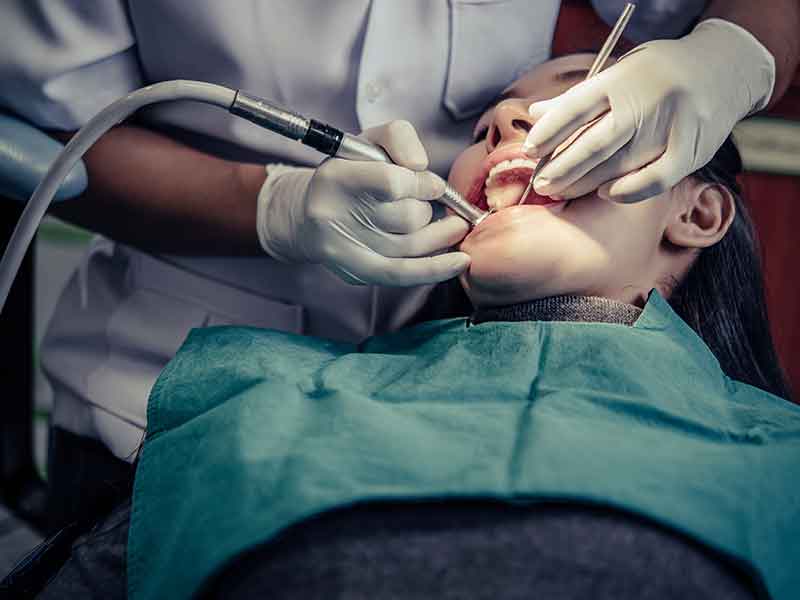
Myths Of Root Canal Treatments
Posted by Chitra Multispeciality Dental CentreMyth 1: Root Canal Treatment is Extremely Painful
Truth :
This is the most widespread fear among patients. Modern root canal treatment is performed under effective local anesthesia, which makes the procedure comfortable and almost painless. Most patients actually feel significant relief from the severe toothache once the infected pulp is removed. The discomfort people associate with RCT is usually due to the infection itself, not the treatment.
Myth 2: It’s Better to Remove the Tooth Than to Save It
Truth :
Many people believe extraction is a quicker solution, but saving your natural tooth is always the best option when possible. A root canal preserves your natural bite, chewing efficiency, and jawbone health. Losing a tooth can lead to shifting of nearby teeth, difficulty in chewing, and may require replacements such as implants or bridges, which are more expensive and involve additional procedures.
Myth 3: Root Canal Treatment Takes Many Appointments
Truth :
With advancements in dental technology, many root canal treatments can now be completed in one or two visits, depending on the severity of infection and complexity of the tooth. Only cases with severe infection, swelling, or anatomical challenges may require additional visits. Modern equipment has made the procedure faster and more efficient than before.
Myth 4: If the Pain Goes Away, Treatment is Not Needed
Truth :
Sometimes the pain reduces because the nerve inside the tooth has died, but this does not mean the infection has healed. Bacteria can continue to grow inside the tooth and spread to the surrounding bone, leading to abscess formation, swelling, and bone destruction. Delaying treatment can make the condition more serious and harder to manage.
Myth 5: Root Canal Treated Teeth Don’t Last Long
Truth :
A properly treated and restored tooth can last for many years, often a lifetime. The key is placing a protective crown when required, maintaining good oral hygiene, and attending regular dental checkups. The longevity of the tooth depends more on aftercare than on the procedure itself.
Written by:
Chitra Dental Specialists
Related Posts

Red Flags in Jaw Growth-When to See a Dentist Early
October 04, 2025Hi parents, is your child a picky eater? Does your child hold the food for long time in their mouth? Do they sleep with their mouth open? Then this message is for you...

Breastfeeding and Jaw Growth Nature’s First Dentist
September 27, 2025When we think of breastfeeding, the first thing that comes to mind is nutrition and bonding. But did you know it also plays a key role in shaping your baby’s jaw and smile?..