
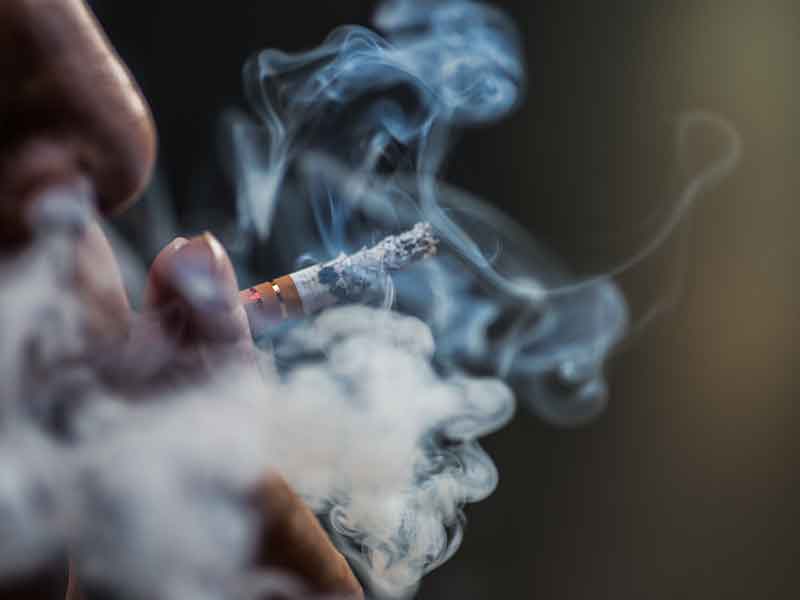
How Smoking and Vaping Damage Oral Tissues
Posted by Chitra Multispeciality Dental CentreYour mouth is the gateway to your overall health — and habits like smoking or vaping can cause serious harm long before you notice the damage. While many people associate smoking with lung disease, few realize how much it affects the mouth, gums, and teeth. Even vaping, often thought to be a “safer alternative,” poses significant risks to oral health.
Let’s break down how these habits damage your oral tissues and what you can do to protect your smile.
1. Reduced Blood Flow and Oxygen Supply
Nicotine — found in both cigarettes and e-cigarettes — constricts blood vessels, reducing blood flow to the gums and oral tissues. This means your mouth receives less oxygen and fewer nutrients, slowing down healing and making tissues more prone to infection and inflammation.
Effects:
- • Delayed healing after tooth extraction or surgery
- • Increased risk of gum disease (periodontitis)
- • Pale or receding gums
2. Increased Risk of Gum Disease
Smoking weakens your body’s immune response, making it harder to fight bacterial infections in the mouth. Over time, this leads to chronic gum inflammation, tissue destruction, and even tooth loss.
Research shows: Smokers are 2 to 6 times more likely to develop gum disease than non-smokers.
Signs include:
- • Persistent bad breath
- • Bleeding gums
- • Loose teeth
- • Pus around the gums
3. Damage to Oral Mucosa and Soft Tissues
The heat, chemicals, and toxins from tobacco smoke and vape aerosols irritate and damage the delicate lining inside the mouth. This can cause cellular changes that increase the risk of oral precancerous lesions and oral cancer.
Common issues:
- • White or red patches (leukoplakia, erythroplakia)
- • Chronic mouth sores
- • Tissue thickening or ulceration
4. Dry Mouth and Altered Saliva
Nicotine reduces saliva production, leading to dry mouth (xerostomia). Without adequate saliva, bacteria and acids thrive — causing bad breath, tooth decay, and enamel erosion.
Vaping effect: E-cigarette vapors often contain propylene glycol, which dehydrates oral tissues, worsening dry mouth.
5. Stained Teeth and Bad Breath
Tar and nicotine quickly stain teeth, turning them yellow or brown. They also alter the balance of bacteria in the mouth, leading to chronic halitosis (bad breath).
Even vapers may notice tooth discoloration over time due to pigments and residue from flavored liquids.
6. Delayed Healing After Dental Procedures
Whether you’ve had a tooth extracted, an implant placed, or a deep cleaning, smoking and vaping significantly delay the healing process. Reduced oxygen supply and weakened immunity increase the risk of dry socket, implant failure, and post-surgical infection.
7. Increased Risk of Oral Cancer
Tobacco smoke contains over 7,000 chemicals, including more than 70 carcinogens. These toxins directly damage DNA in oral cells, increasing the risk of cancers of the mouth, tongue, lips, and throat.
While vaping may contain fewer carcinogens, long-term effects are still being studied, and early evidence shows that some e-cigarette chemicals can cause DNA and cell damage too.
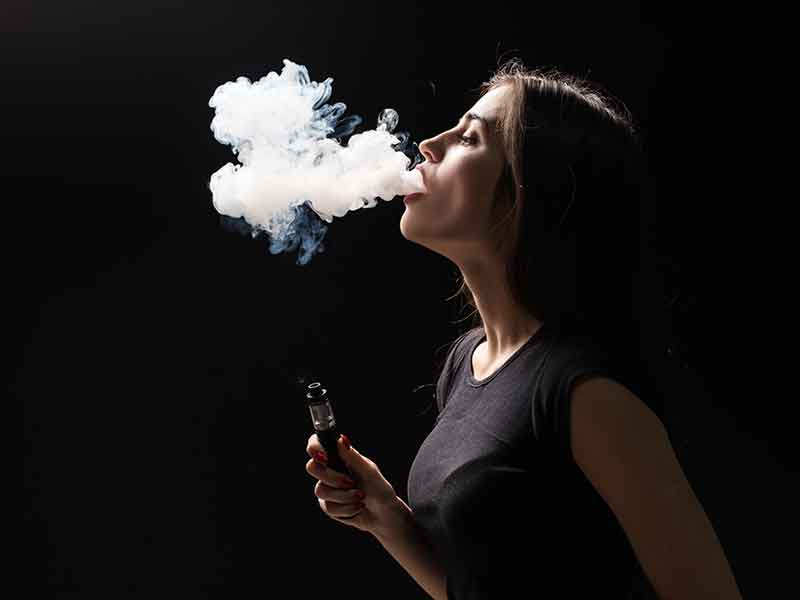
Tips to Protect Your Oral Health
- • Quit or reduce tobacco and nicotine use — seek professional help if needed.
- • Visit your dentist regularly for check-ups and oral cancer screenings.
- • Brush twice and floss daily to minimize plaque buildup.
- • Stay hydrated to combat dry mouth.
- • Use mouth rinses recommended by your dentist.
- • Eat a nutrient-rich diet to support gum healing and immune function.
Written by:
Chitra Dental Specialists
Related Posts
Red Flags in Jaw Growth-When to See a Dentist Early
October 04, 2025Hi parents, is your child a picky eater? Does your child hold the food for long time in their mouth? Do they sleep with their mouth open? Then this message is for you...

Breastfeeding and Jaw Growth Nature’s First Dentist
September 27, 2025When we think of breastfeeding, the first thing that comes to mind is nutrition and bonding. But did you know it also plays a key role in shaping your baby’s jaw and smile?..