

Dental Pain Management: Causes, Relief, and Prevention
Posted by Chitra Multispeciality Dental CentreDental pain can range from a dull, nagging ache to sharp, throbbing discomfort that makes eating, talking, or even sleeping difficult. Understanding the causes of dental pain and how to manage it effectively is essential for maintaining good oral health and overall well-being.
What Causes Dental Pain?
Dental pain usually arises from inflammation or irritation of the nerves inside the teeth or surrounding tissues. Common causes include:
- ● Tooth decay (cavities): When bacteria erode enamel and reach the inner dentin or pulp.
- ● Gum disease (gingivitis or periodontitis): Infection or inflammation of the gums and supporting structures.
- ● Dental abscess: A pocket of pus due to bacterial infection in the tooth or gum.
- ● Cracked or fractured tooth: Exposed nerves can cause sensitivity and pain.
- ● Teeth grinding (bruxism): Can cause jaw soreness and tooth wear.
- ● Impacted wisdom teeth: Pain due to pressure or infection.
- ● Post-treatment sensitivity: Mild pain after procedures like fillings, crowns, or whitening.
Professional Dental Treatments
If pain persists beyond a day or two, it’s crucial to consult a dentist. Depending on the cause, treatments may include:
- ● Filling or crown: To repair cavities or damaged enamel.
- ● Root canal treatment: Removes infected pulp and saves the tooth.
- ● Scaling and root planing: Deep cleaning for gum disease.
- ● Tooth extraction: For severely damaged or impacted teeth.
- ● Antibiotics: To control infection when needed.
Preventing Future Dental Pain
Prevention is always better than cure! Keep your teeth healthy with these habits:
- ● Brush twice daily with fluoride toothpaste.
- ● Floss once a day to remove food particles between teeth.
- ● Limit sugary and acidic foods and drinks.
- ● Visit your dentist every six months for a check-up.
- ● Use a mouthguard if you grind your teeth.
- ● Stay hydrated — saliva helps protect against bacteria.
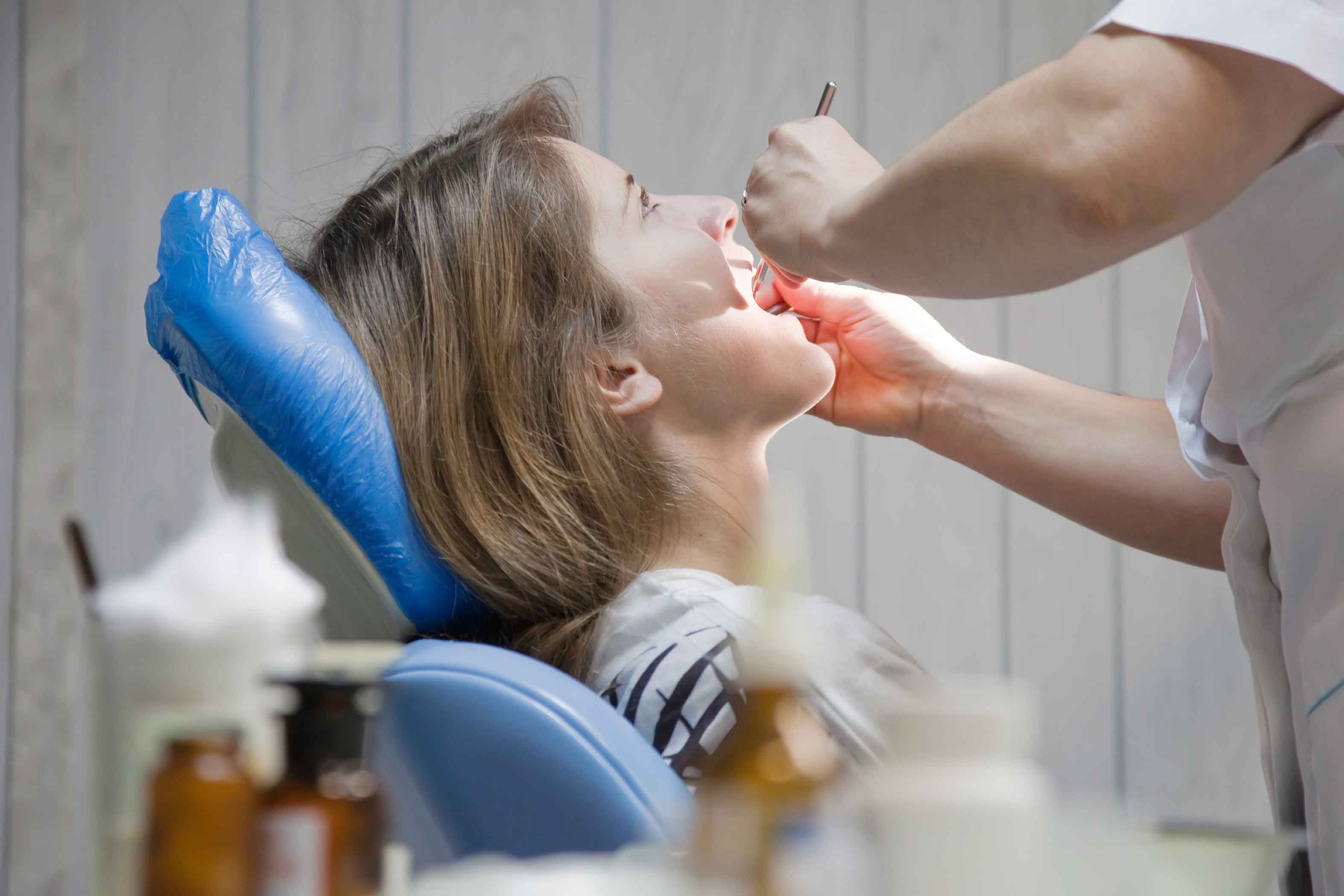
When to See a Dentist Immediately
Seek urgent dental care if you experience:
- ● Severe or throbbing pain lasting more than 48 hours.
- ● Facial swelling or pus discharge.
- ● Fever or difficulty opening your mouth.
- ● Broken, loose, or knocked-out teeth.
Written by:
Chitra Dental Specialists
Related Posts
Red Flags in Jaw Growth-When to See a Dentist Early
October 04, 2025Hi parents, is your child a picky eater? Does your child hold the food for long time in their mouth? Do they sleep with their mouth open? Then this message is for you...

Breastfeeding and Jaw Growth Nature’s First Dentist
September 27, 2025When we think of breastfeeding, the first thing that comes to mind is nutrition and bonding. But did you know it also plays a key role in shaping your baby’s jaw and smile?..